
Looking Deeper
Many things appear as we slow down, and a recent Nature retreat unveiled some important things

Each year I retreat to the beautiful North Shore of Lake Superior for a period of rest and rejuvenation. I’m inspired by these trips, and thought I would share my daily journal sessions from my latest trip just a couple of weeks ago.
Day One.
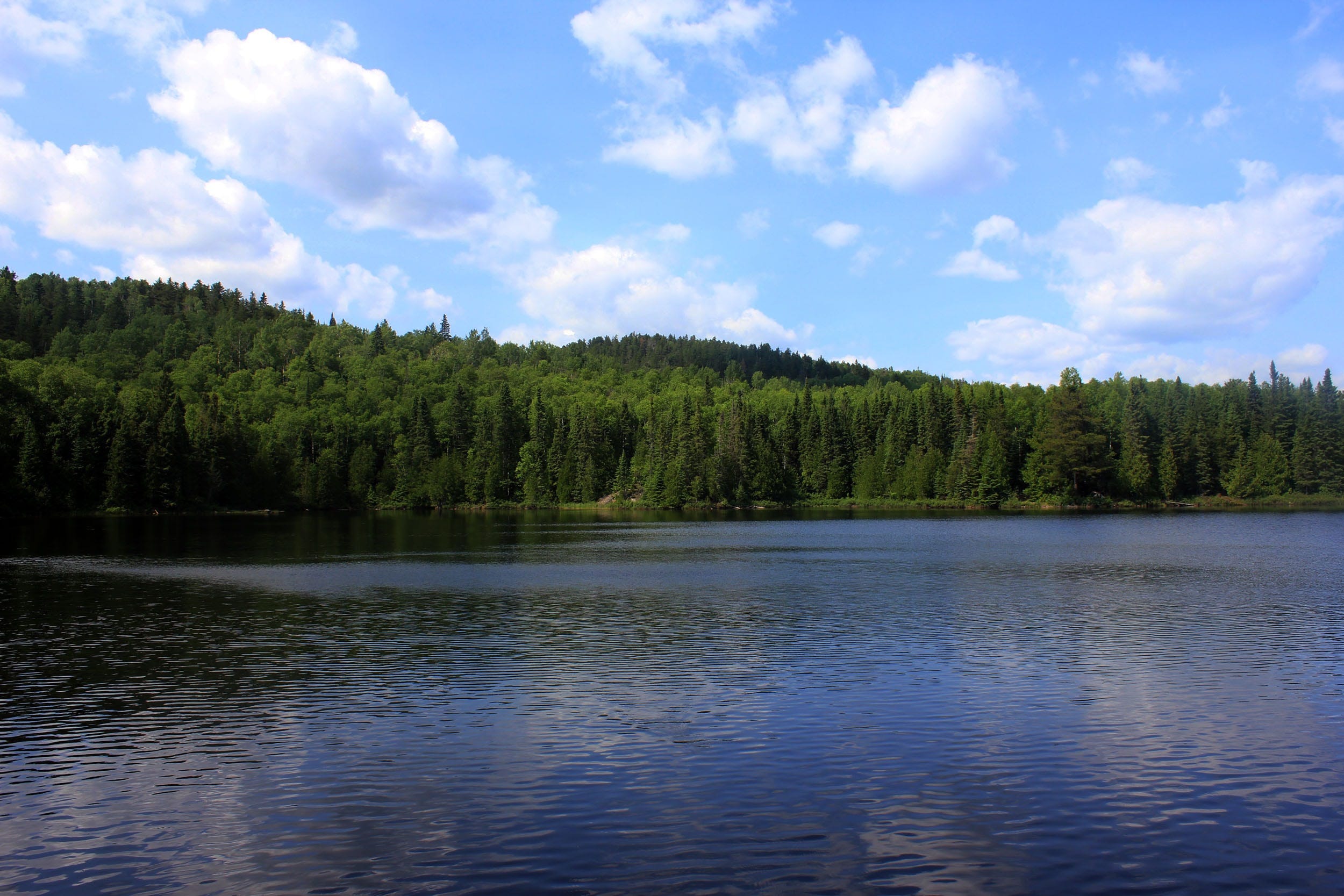
I’m on the North Shore of Lake Superior for my annual vacation. It’s beautiful here, and the place where I’m staying is about ten feet from the lake. There’s a back deck that invited me to sit in the sunshine and watch the lake in all of its dynamic movements.
Recently, I came across a piece of advice that encouraged us to slow down, stand still, and observe what is going on around us. When we move so quickly through life, we miss what is happening around us. We see only the surface, but not what lies beneath it. As I sat on the back deck looking out over Lake Superior, I decided to embrace this advice, sit still, and observe what was truly going on.
What happened next
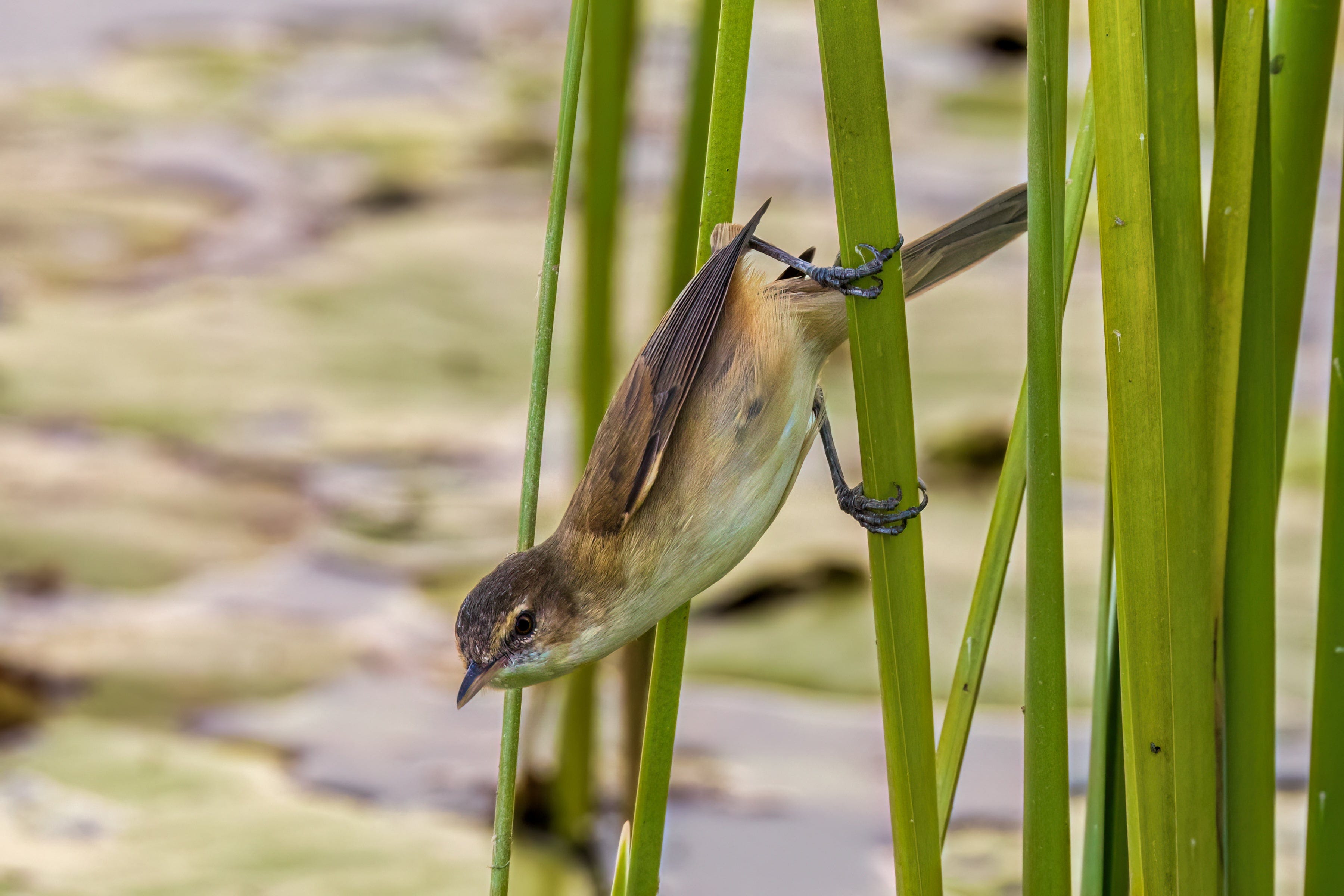
Initially, there were no bird sounds. There was the sound of wind, but otherwise it was fairly quiet. About three to five minutes into sitting there silently, the birds began to chirp again, and life started to stir around me. It struck me that the world had not suddenly become alive. It had been alive all along. It simply took time and stillness before I began to notice it.
As I looked out over the lake, I could see where the wind was shaping the surface. It was a relatively calm day, and there were even stretches of still, glass-like water that appeared motionless. Around them, however, ripples and waves revealed the movement of the wind, making visible where it was present and where it was not.
I looked up and saw the clouds overhead. They were not moving very quickly, but they were beautiful in form and unusual in their patterns. As I continued to sit still, I started to notice the deeper structures of interdependence all around me. I began thinking about how the quality of the soil shapes what can grow in a particular place and how nature moves through stages of development over time.
An ecology in transition
A beginning Type 1 ecology is often dominated by annuals and weeds because that is all the soil can support. Over time, it evolves toward a Type 2 ecology that begins to bring in small shrubs, perennials, and short-lived trees that invest in their root structures and return year after year. Eventually, these systems can mature into old-growth forests like we see “up north” as we call it in Minnesota.
Coral reefs follow a similar pattern of succession. So do prairies, with their increasingly rich and interdependent structures that allow every resource that falls upon them to be used in support of further life.
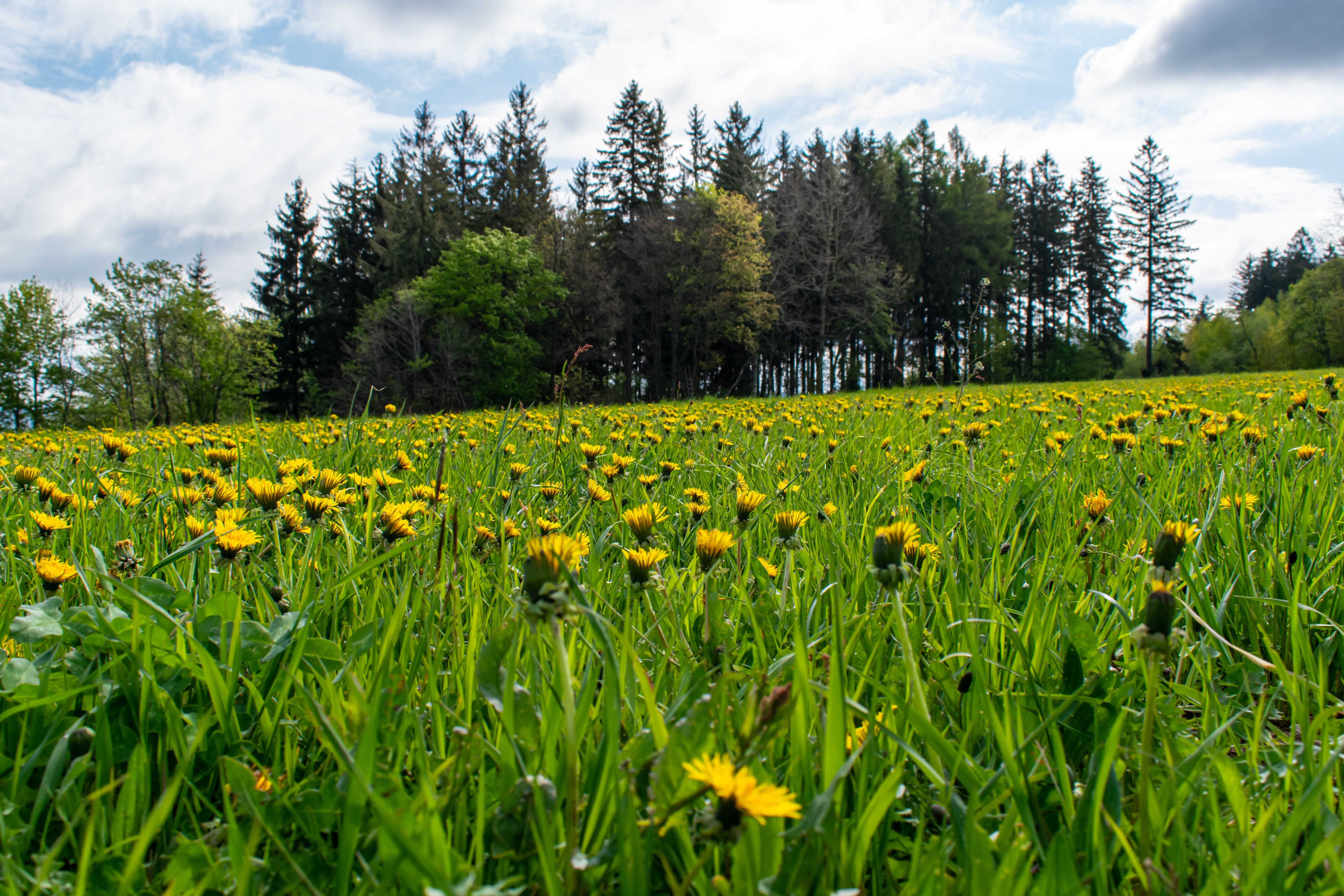
Looking out from the deck toward the water, I realized that I was sitting in an ecology that was itself in transition. We had dandelions and grasses that reflected an earlier stage of development, but there were also emerging shrubs and young trees that suggested movement toward a more mature ecology.
I have been thinking a great deal about how we see—or fail to see—the interdependence around us.
We are nested within a living ecology that is deeply interdependent in its structure, design, and activity. Yet as humans, we often struggle to see the depth of those relationships.
Interdepence in Nature and our organizations
Part of the challenge may be that our organizations have not evolved to a place where the language and visual cues of interdependence are obvious to us.
Many of our practices, habits, ways of thinking, and organizational structures are built upon the assumption that we are individual, separate, and autonomous. We write job descriptions that focus on individual duties rather than how a role contributes to the success of others. We create performance appraisals that focus primarily on individual work and individual goals. Whether we are contributing to the health of the larger system often becomes secondary to strategies of alignment and individual accountability.
As a result, we can miss the deeper network of relationships that allows organizations to thrive.
Like healthy ecosystems, resilient organizations depend upon countless connections, exchanges, and forms of mutual support that often remain invisible until we take the time to look more carefully.
I invite you to practice this exercise from time to time throughout your day. Pause in the rush to get from one place to the next, or to move on to the next item on your list. Stand still. Let your gaze expand outward and notice what emerges after two, three, five, or even ten minutes of simply being present.
You may discover, as I did sitting beside Lake Superior, that the deeper patterns were there all along, waiting patiently for you to notice them.